Race Against the Clock: The €1 Billion Battle to Wrest Serbia's Oil Industry from Russian Hands
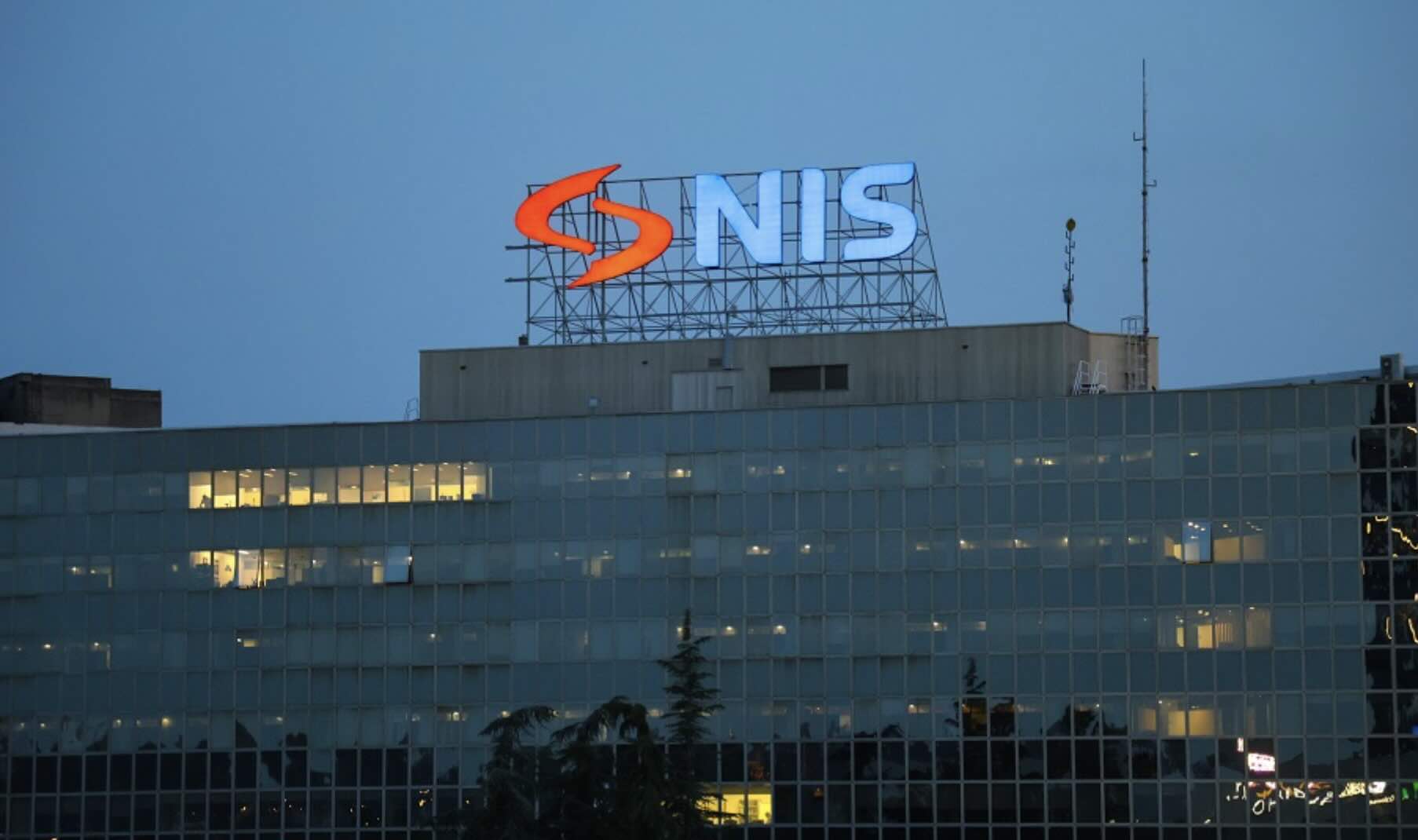
Hungary's MOL has requested a fifth deadline extension from the US Treasury to finalise its acquisition of Gazprom's majority stake in NIS, Serbia's sole oil refiner, as a rival domestic bid complicates negotiations and the Pančevo refinery's operating licence ticks toward expiry.
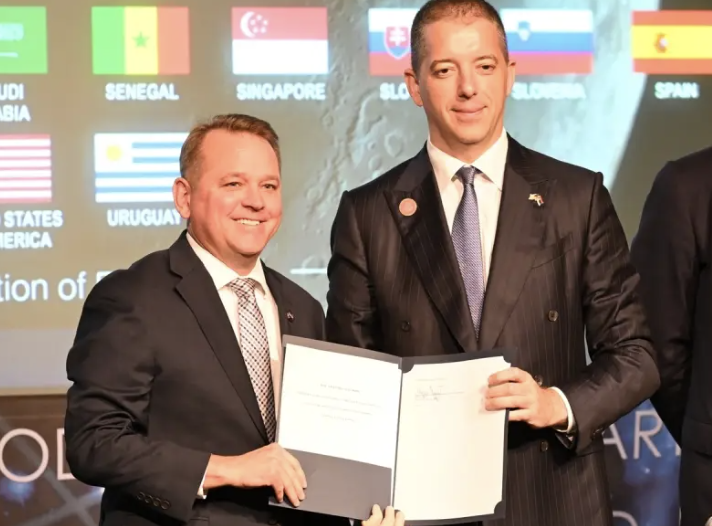
Madrid, Spain – June 6, 2026: Hungary's MOL Group has asked the US Treasury for a further 30-day extension to finalise its bid to acquire the majority stake in Naftna Industrija Srbije (NIS), Serbia's largest oil company, as negotiations with Russia's Gazprom Neft continue past a June 6 deadline. The request was confirmed by Serbia's Minister of Mining and Energy Dubravka Đedović Handanović, speaking after a meeting with Gazprom Neft CEO Alexander Dyukov in St. Petersburg.
"Chief executive of Gazprom Neft Alexander Dyukov confirmed that proactive talks between Gazprom and Hungarian company MOL continue and that MOL has applied to OFAC today with a request for granting extra time," the minister told Serbia's Tanjug news agency. MOL CEO Zsolt Hernádi separately confirmed the request, saying negotiations had entered "the final phase" but that certain terms remained unresolved.
This is the fifth time since January 2025 that the US Office of Foreign Assets Control (OFAC) has been asked to extend one or both licences governing NIS — one allowing MOL to negotiate the acquisition, the other allowing NIS itself to keep operating under sanctions. The operating licence expires on June 16. Without a further extension, the Pančevo refinery — Serbia's sole oil processing facility, with a capacity of 4.8 million tonnes per year — would be forced to halt operations, cutting off fuel supply across the country and to filling station networks in neighbouring Balkan states.
How NIS ended up here. NIS has been under US sanctions since October 2025, when Washington added the company to its Specially Designated Nationals list due to its majority Russian ownership. Gazprom Neft controls 44.85% of NIS directly, with a further 11.3% held by a Gazprom Capital-managed entity. The Serbian state holds 29.87%. MOL moved quickly after sanctions were imposed, signing a binding framework agreement with Gazprom Neft in January 2026 for the purchase of the combined 56.15% Russian stake. The deal was widely expected to close by March. It has not.
Negotiations have repeatedly stalled over how NIS would be governed under new ownership, with the Serbian government — a minority shareholder but a key regulatory actor — rejecting several of MOL's proposals on operational control. The estimated transaction value is between €900 million and €1 billion, though no final price has been publicly confirmed.
A rival bid complicates the picture. In mid-May, Serbian businessman Arsen Mimović publicly confirmed a competing offer for the Russian stake, claiming informal backing from OFAC following several months of communication. Gazprom Neft subsequently stated it was not negotiating with any party other than MOL — a denial that did not end speculation. President Aleksandar Vučić had earlier signalled that if no deal could be reached, Serbia itself might acquire the Russian stake; the government has reportedly ring-fenced €1.4 billion in the national budget as a contingency. Nationalisation under active US sanctions, however, would carry significant risks of its own.
The political backdrop also shifted in April, when opposition candidate Tisa Magyar won Hungary's parliamentary elections, ending Viktor Orbán's long tenure. MOL, which had operated with close institutional ties to the previous government, lost a key political sponsor for the deal at a critical moment in negotiations.
What a deal — or no deal — would mean. If MOL's acquisition proceeds, NIS would become part of a Western-integrated energy group with operations across Central and Eastern Europe. MOL has indicated it may later sell a minority stake to Abu Dhabi's ADNOC, and Serbia would gain the right to increase its own shareholding by five percentage points at a future date. If negotiations collapse and the operating licence expires without resolution, the Pančevo refinery faces shutdown — a scenario Serbian officials have described as unacceptable regardless of ownership outcomes. A response from OFAC on MOL's 30-day extension request was expected before the end of this week. As of publication, no decision had been announced.
Sources: Tanjug, Reuters, CEE Energy News, European Western Balkans, MOL Group Investor Relations, Serbia Ministry of Mining and Energy.
← Back to home